Likeness, Gravity, and a Pulse.
I accept a limited number of portrait commissions in acrylic. The aim is a work with believable structure, clear presence, disciplined color, and enough painterly life to keep the result from feeling embalmed.
What Clients Can Expect
I care about the bone structure, the asymmetries, the value relationships, and the small, deliberate decisions that make a human face read as a particular person rather than a generic template.
In plain English: the eyes need to hold, the head needs to feel built rather than pasted together, and the painting needs to look alive from ten feet across the room and from ten inches away.
Whether you are commissioning a self-portrait, a memorial piece, or a visual anchor for a professional space, I deliver work that feels personal without ever collapsing into cheap sentimentality.
The Byzantine Method
My current practice is to paint portraits in the Byzantine manner, the way icon painters have built a face for centuries: from dark to light, in thin layers, with the form emerging through light rather than being carved out of shadow. The face begins as a deliberately dark underpainting. Lighter flesh tones are laid over it in successive layers, each lighter than the one before, and the final highlights go on last. The four stages below follow one portrait from underpainting to finish.
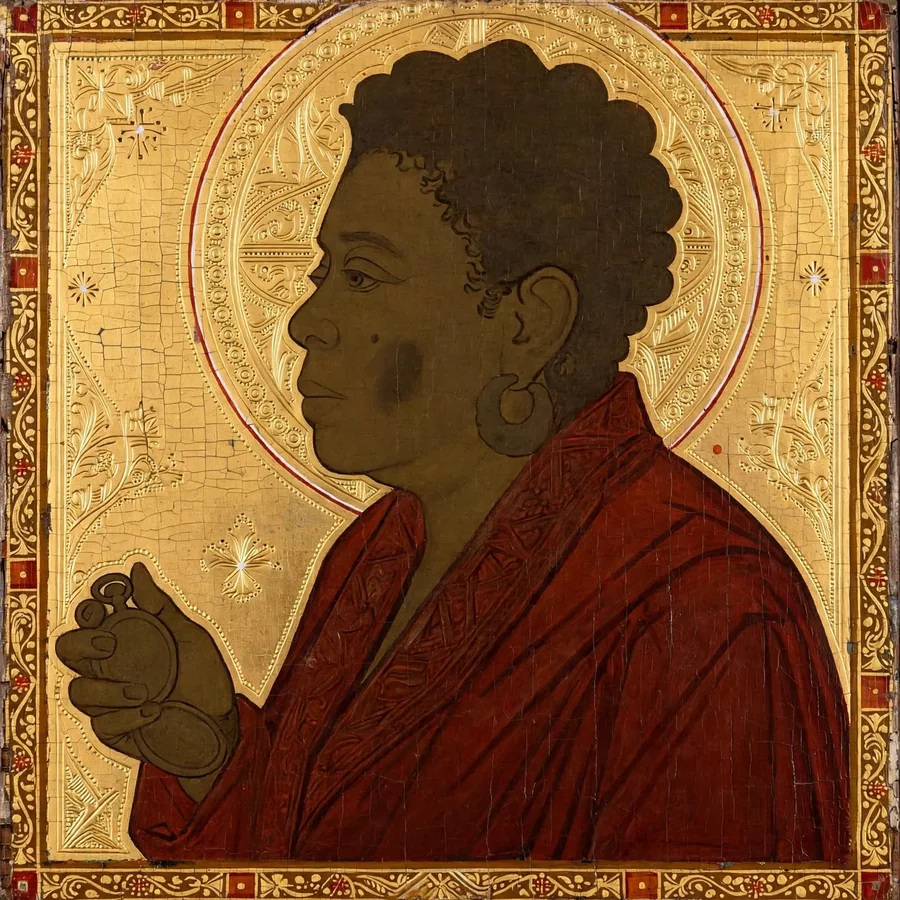
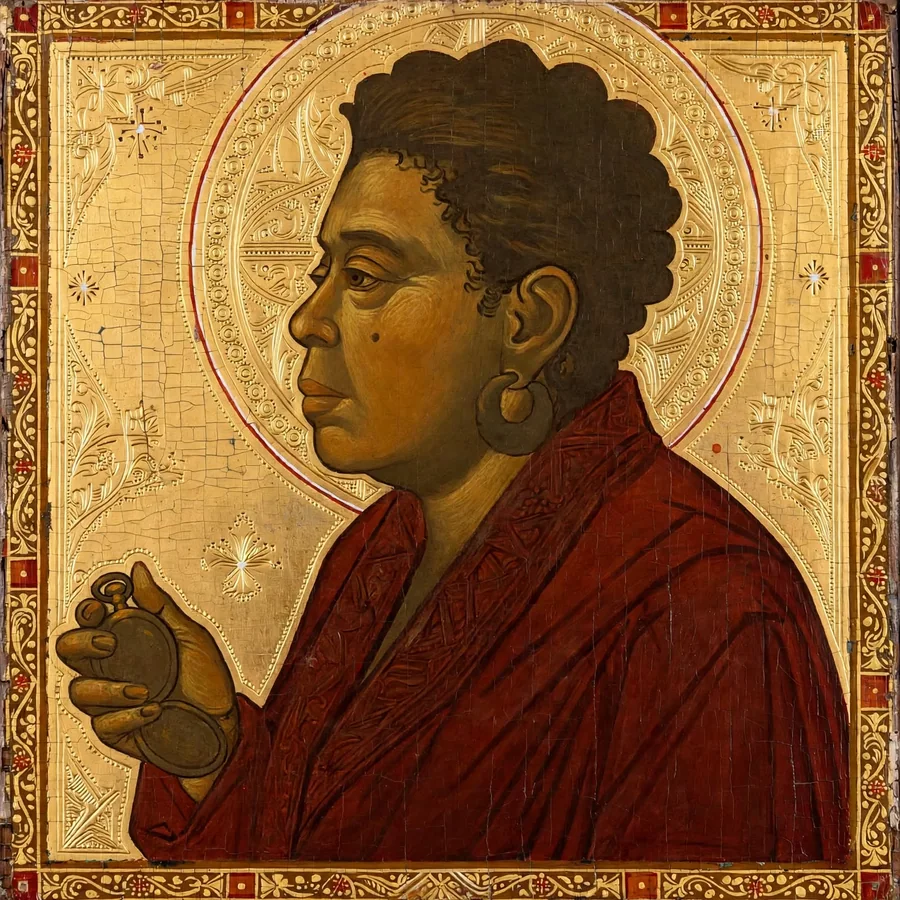
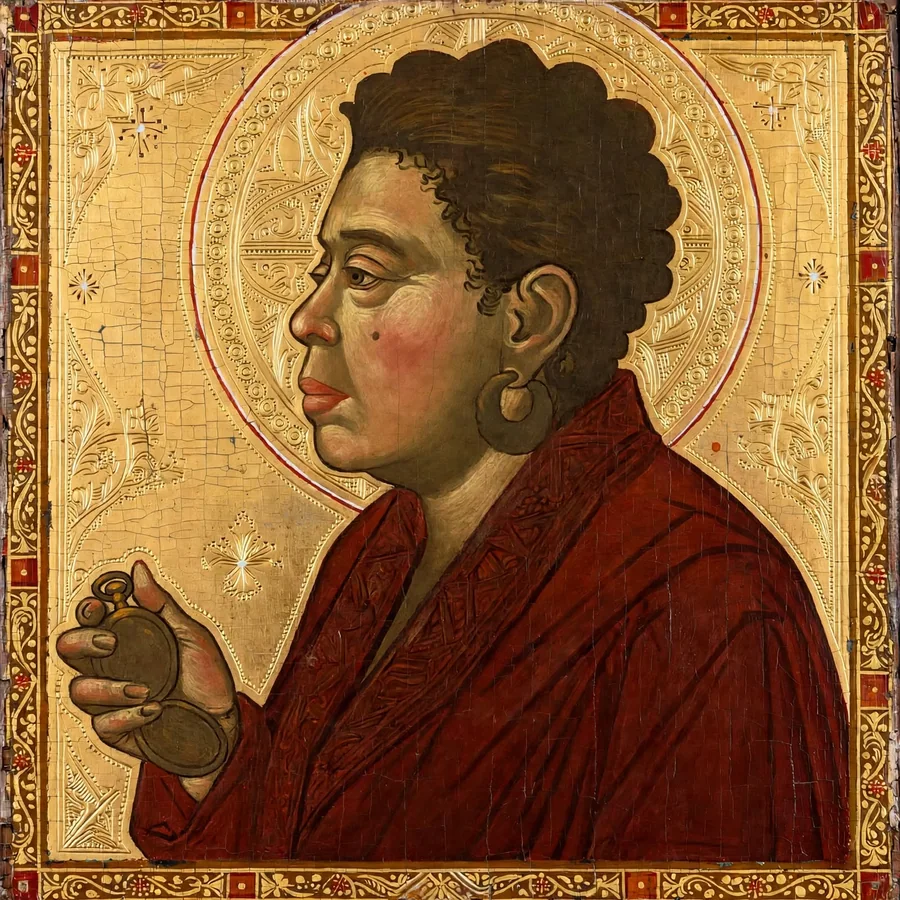
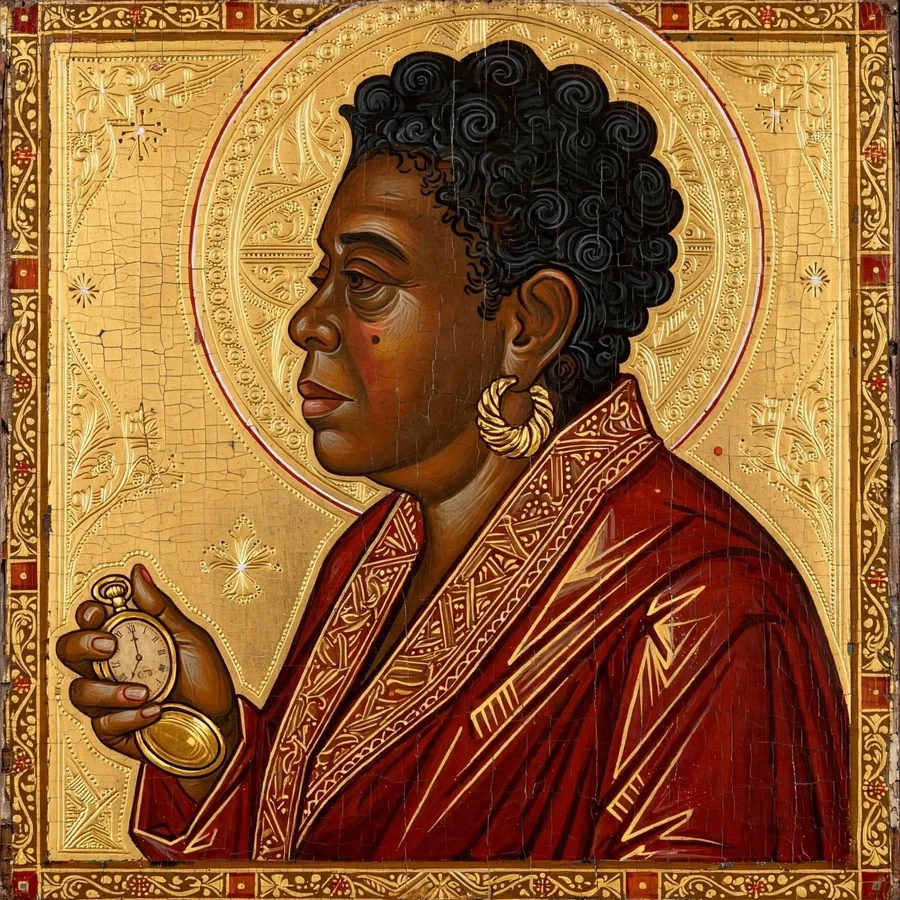
The tradition worked in egg tempera on gessoed panel. I work in acrylic, and I will not pretend the two are the same. What carries over is the logic: translucent layers, a face that seems lit from within rather than from the side, and no fussing over detail until the structure underneath is sound.
For a client, that means two practical things. A portrait built in layers cannot be rushed, which is why I ask for the real deadline up front. And the layering is where the depth comes from: the dark underpainting gives the face its weight, and the lights placed over it give it life.
The Rules of Engagement
To ensure the final piece lives up to both of our expectations, I require a few things straight out of the gate.
Reference Photos
Clear, well-lit images are non-negotiable. The better the references, the better the portrait. Send your options, and I will tell you plainly which ones are actually useful.
Size & Setting
Tell me where the piece will live and the rough dimensions. A portrait meant to anchor a corporate boardroom requires a different approach than one resting on a mantle.
Timeline & Budget
Give me the real deadline and the real budget range up front. As I have said before, this saves both of us from pretending miracles are a scheduling strategy.
Preferred Mood
More restrained realism? More painterly interpretation? Severe and direct? Warmer and quieter? State your preference, and we build accordingly.
Begin the Commission
Common formats include 11×14, 12×16, and 16×20 on cradled panel or canvas. If you have your reference photos and details ready, let us begin the conversation.
Open the Inquiry Engine*Select "Portraiture" from the dropdown menu on the contact form.